 Contact Us
 Appointment

Book An Appointment
Get in touch with our jewellery experts for virtual consultation
Fine Jewelry Guide: Materials, Types & How to Choose the Perfect Piece
 Share on Facebook
 Share on LinkedIn
 Share on watsapp
Jewelry means different things to different people. For some, it is a way to mark milestones like an engagement ring, a wedding band, or an anniversary gift. For others, it is about personal style and everyday luxury.
When people search for fine jewelry, they are usually trying to understand something simple but important: What actually makes jewelry “fine”?
The answer goes beyond sparkle. Materials, craftsmanship, and longevity define fine jewelry. Unlike trend-driven accessories that may last a season or two, fine jewelry is designed to stay with you for years. Believe it, sometimes even generations.
In today’s jewelry market, buyers are exploring new possibilities. Traditional gold and diamond pieces remain timeless, but modern alternatives like laboratory-grown diamonds and moissanite are expanding the possibilities of fine jewelry.
If you are thinking about buying fine jewelry, whether for yourself or someone special, understanding the basics can make the experience far more rewarding.
What Is Fine Jewelry?
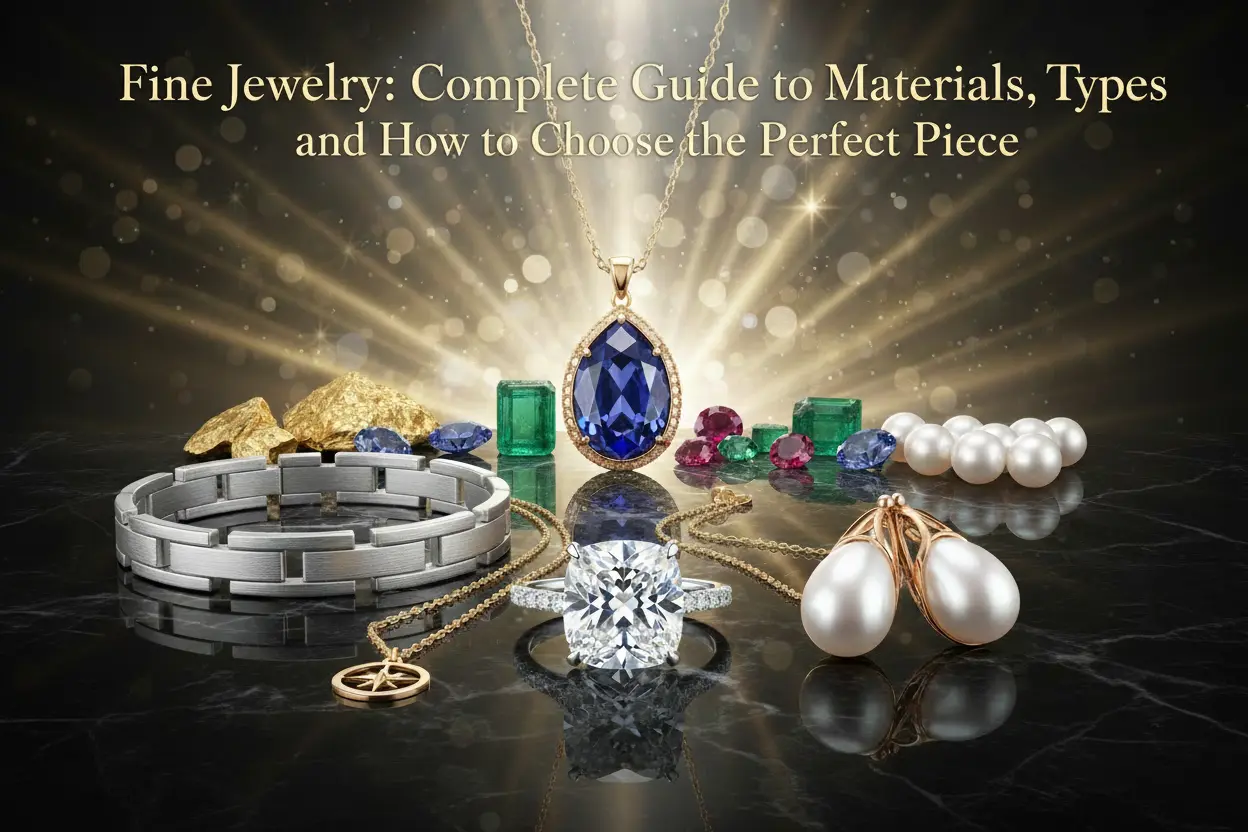
At its core, fine jewelry refers to pieces made with precious metals and genuine gemstones. The difference may sound technical, but it becomes obvious when you look closely at the materials used. Fine jewelry typically includes metals such as:
- Gold
- Platinum
- Sterling silver
These metals are durable, corrosion-resistant, and capable of securely holding gemstones for decades.
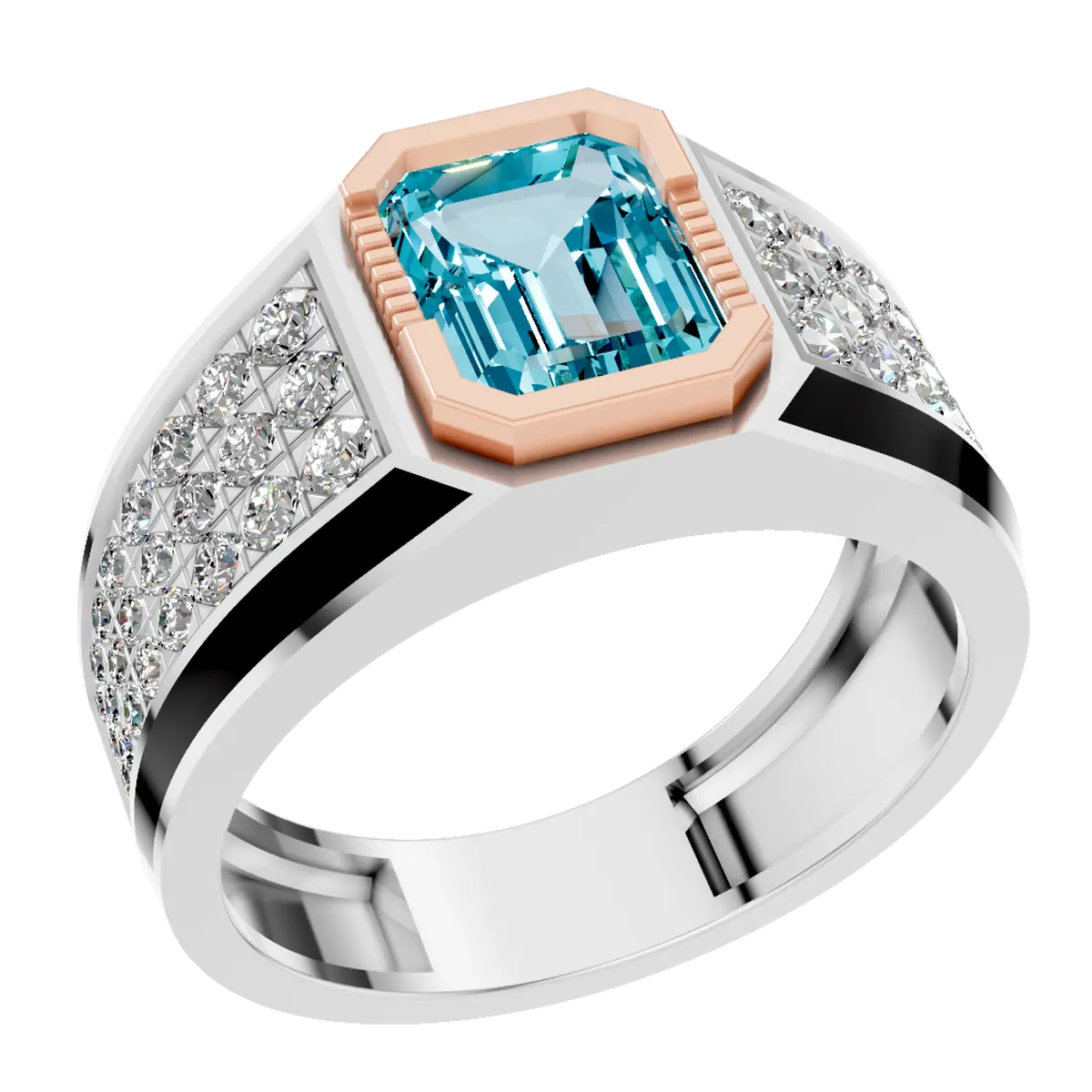
The gemstones used in fine jewelry are genuine, not decorative diamond substitutes or alternatives. Diamonds are the most common, but fine jewelry can also include rubies, emeralds, sapphires, and other precious stones.
What truly defines fine jewelry, however, is its ability to last. A well-made gold necklace or diamond ring can remain beautiful for decades with minimal care.
That is why fine jewelry is usually purchased for moments that matter: engagements, weddings, anniversaries, or meaningful gifts.
Fine Jewelry vs Fashion Jewelry: Why the Difference Matters
Many shoppers first encounter jewelry through fashion accessories. These pieces are stylish, affordable, and easy to experiment with. But they serve a very different purpose from fine jewelry.
Fashion jewelry is usually made with plated metals and imitation stones. While it may look attractive initially, it is not designed for long-term durability.
For example, a fashion ring might use brass or copper coated with a thin layer of gold. Over time, that coating can fade or tarnish, especially with daily wear.
Fine jewelry works differently.
Because it is made from solid precious metals and real gemstones, that means it can withstand years of use. A gold ring will not lose its color, and a diamond will not dull with time.
Another difference is value.
Fine jewelry often holds intrinsic worth because the materials themselves, gold, platinum, or diamonds, have market value. This is one reason jewelry is sometimes passed down through generations, whether you’re in India or the United States of America. The reason behind family heirloom jewelry is to offer a blessing to the wearer.
Fashion jewelry, on the other hand, is primarily decorative and rarely carries long-term financial value.
Premium Materials That Define Fine Jewelry
Understanding the materials used in fine jewelry can help you recognize quality and make smarter purchasing decisions.
Gold
Gold has been one of the most treasured metals in jewelry for centuries. Its natural luster, durability, and rarity make it ideal for fine jewelry.
Gold jewelry is typically measured in karats, which indicate purity.
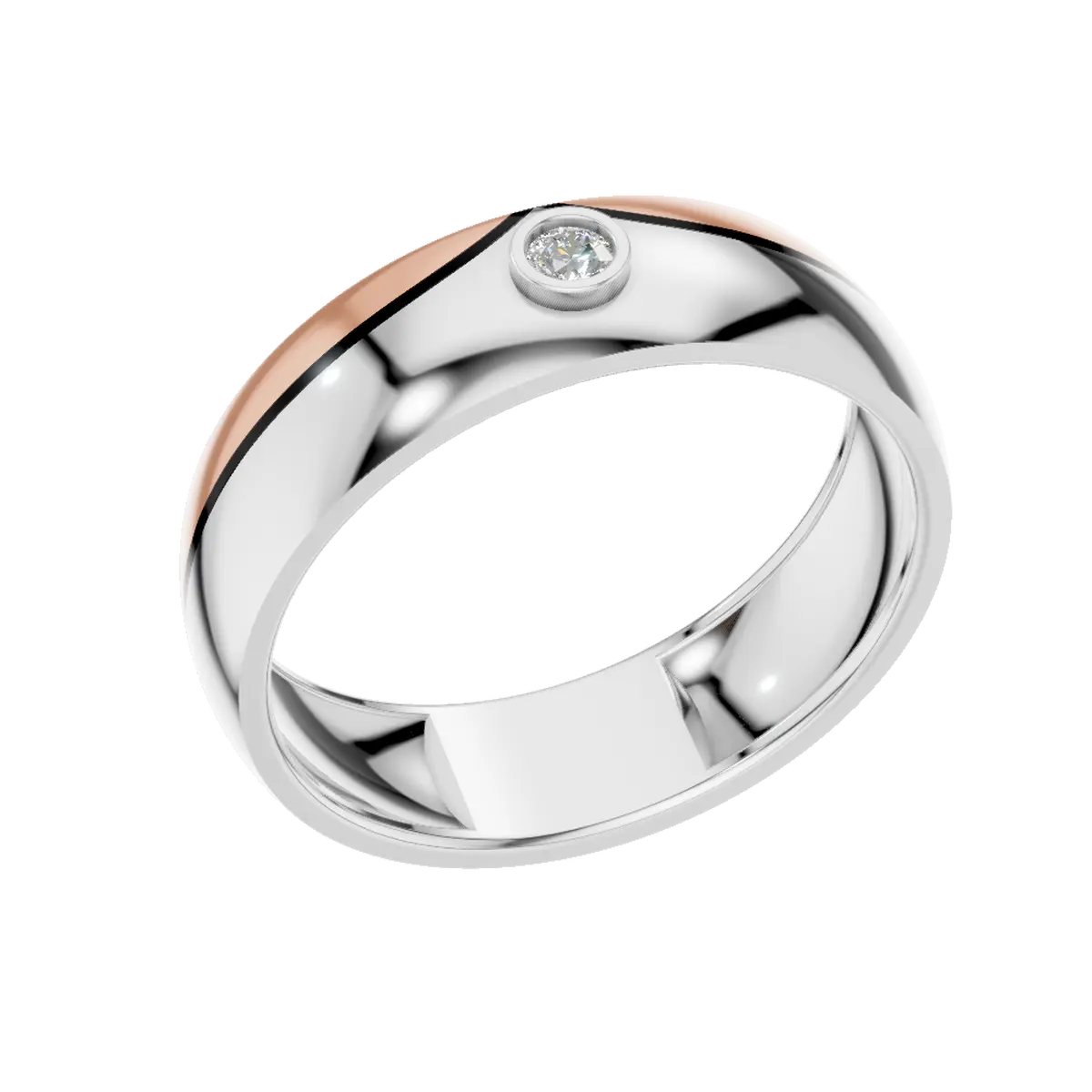
- 14K gold balances durability and value, making it ideal for daily wear. Choose it for an engagement ring.
- 18K gold contains a higher gold content and has a richer color, and selected for customized jewelry as a wedding band.
- 22K gold is commonly preferred in traditional Indian jewelry for its purity.
Gold can also appear in different tones depending on the metals blended with it. Yellow gold remains classic, while white gold and rose gold offer more contemporary looks.
Platinum
950 Platinum sits at the top of the luxury spectrum in jewelry.
Why?
It is naturally white, extremely durable, and resistant to corrosion. Also, platinum is denser than gold; it provides excellent support for gemstones, particularly diamonds.
Many premium engagement rings use platinum settings because the metal securely holds stones in place for decades.
Diamonds and Precious Gemstones
Diamonds are considered the centerpiece of any fine jewelry, whether it’s for men’s or women’s. Their unmatched hardness and brilliance make them ideal for rings, earrings, and necklaces.
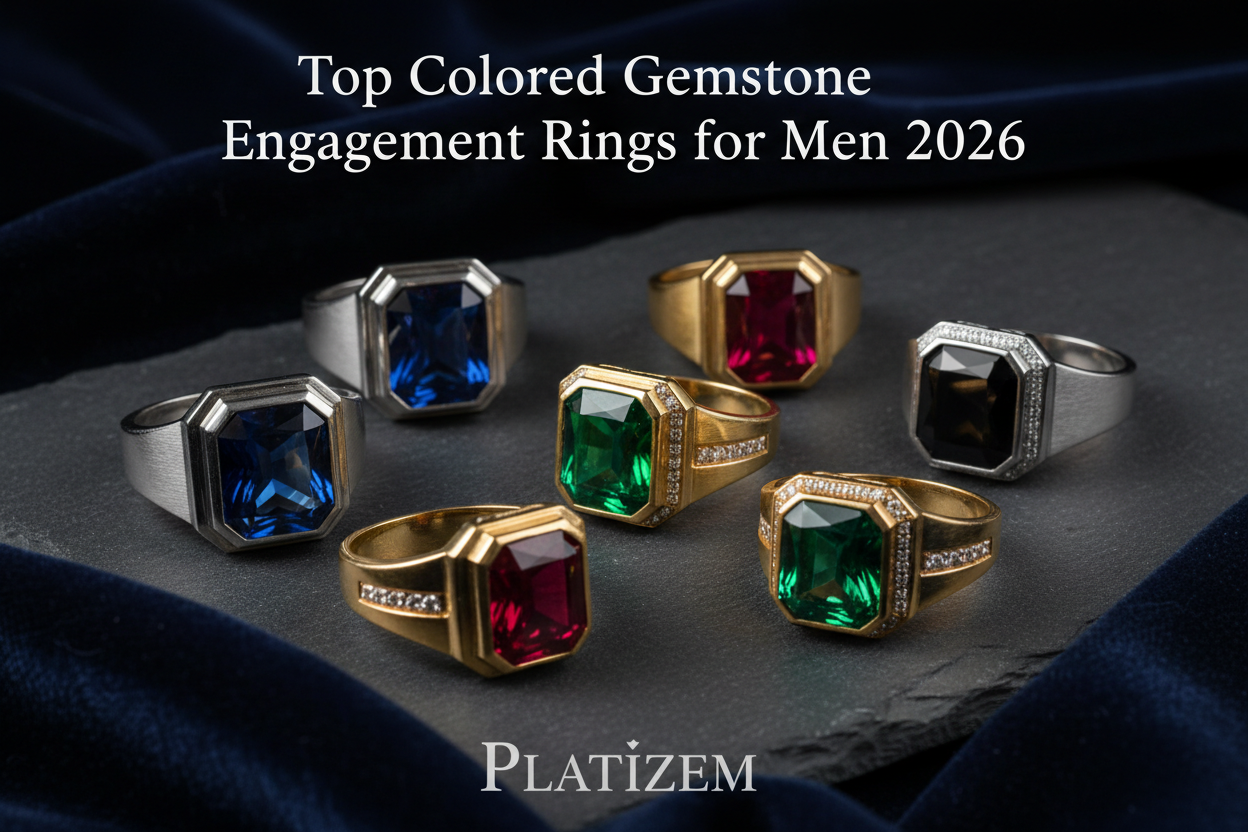
Other gemstones also hold a special place in fine jewelry, including:
- Sapphire
- Ruby
- Emerald
Each gemstone has unique colors and characteristics, and from that jewelry designers create distinctive pieces.
Laboratory-Grown Diamonds and Moissanite
Modern buyers are increasingly open to diamond alternatives that offer the same beauty as traditional mined diamonds.
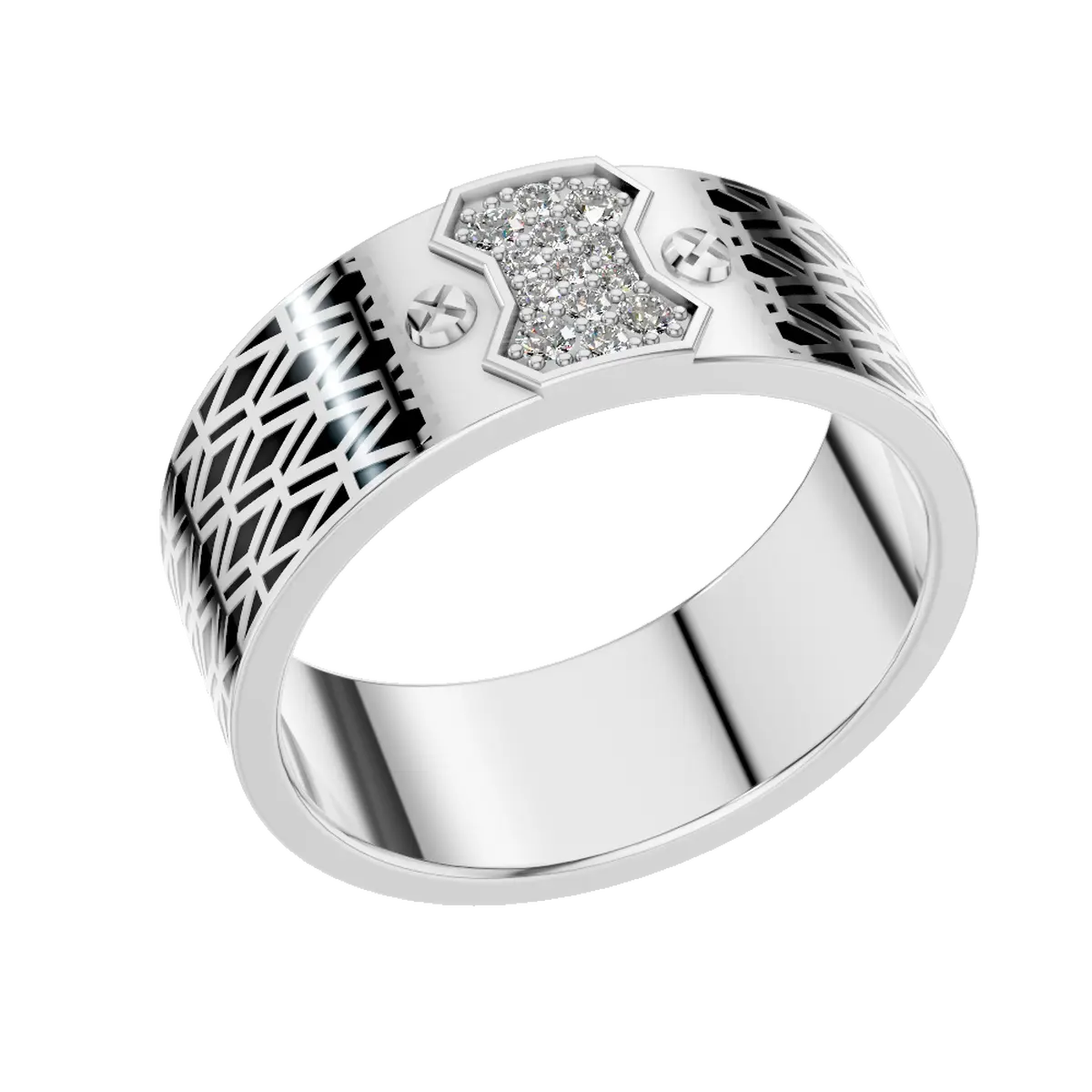
Let’s talk about lab-grown diamonds first. These are natural diamond substitutes created in controlled environments using advanced technology: 1. High Pressure High Temperature (HPHT) and CVD (Chemical Vapour Deposition). They share the same chemical structure and brilliance as natural diamonds but are more accessible in price.
Moissanite is another popular gemstone known for its remarkable sparkle. Many people appreciate its fire and durability, which makes it a strong option for engagement rings and everyday jewelry. Moissanite is a diamond alternative and is known for its low price but good quality.
These modern stones have introduced a new generation to fine jewelry by making luxury pieces more attainable.
4 Types of Fine Jewelry You Can Choose In 2026
As of now, fine jewelry is not limited to one category. It includes a variety of pieces that suit different occasions and styles.
Rings
Rings are among the most meaningful forms of jewelry. Theyoften symbolize commitment, celebration, or personal expression.
Popular styles include solitaire diamond rings, halo style rings, gemstone rings, and stackable bands that allow wearers to mix multiple designs.
Engagement rings, in particular, represent one of the most significant purchases many people make in their lifetime.
Necklaces and Pendants
Necklaces offer versatility. A simple chain in 14kt yellow gold with a small pendant can become an everyday signature piece, while more elaborate gemstone necklaces can elevate formal attire.
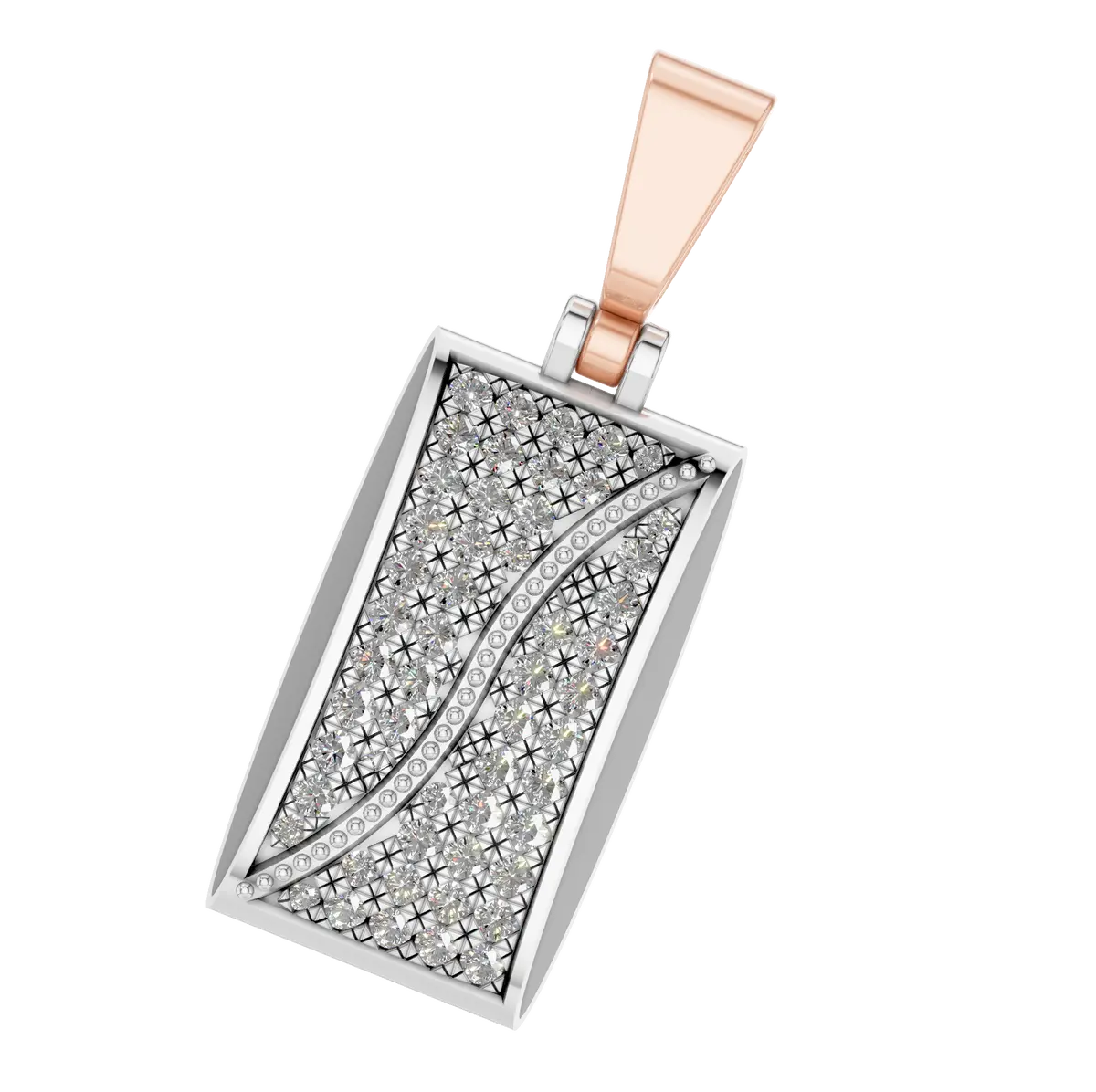
Laboratory-grown diamond pendants remain a favorite because they provide elegance without feeling overly formal. Choosing it in silver metal also looks excellent when you wear it or even gift someone special in your life.
Diamond Earrings
Few jewelry pieces are as timeless as diamond earrings. Laboratory-created diamond earrings are a good choice. Many people begin their fine jewelry collection with a pair of diamond studs because they work effortlessly with almost any outfit.
In India, earrings are a daily ornament for women because it reflects the beauty and personality. Usually, here, culturally presentable earrings are chosen with gold and gemstones. Also, the modern designs are adopted towards women who love modernity.
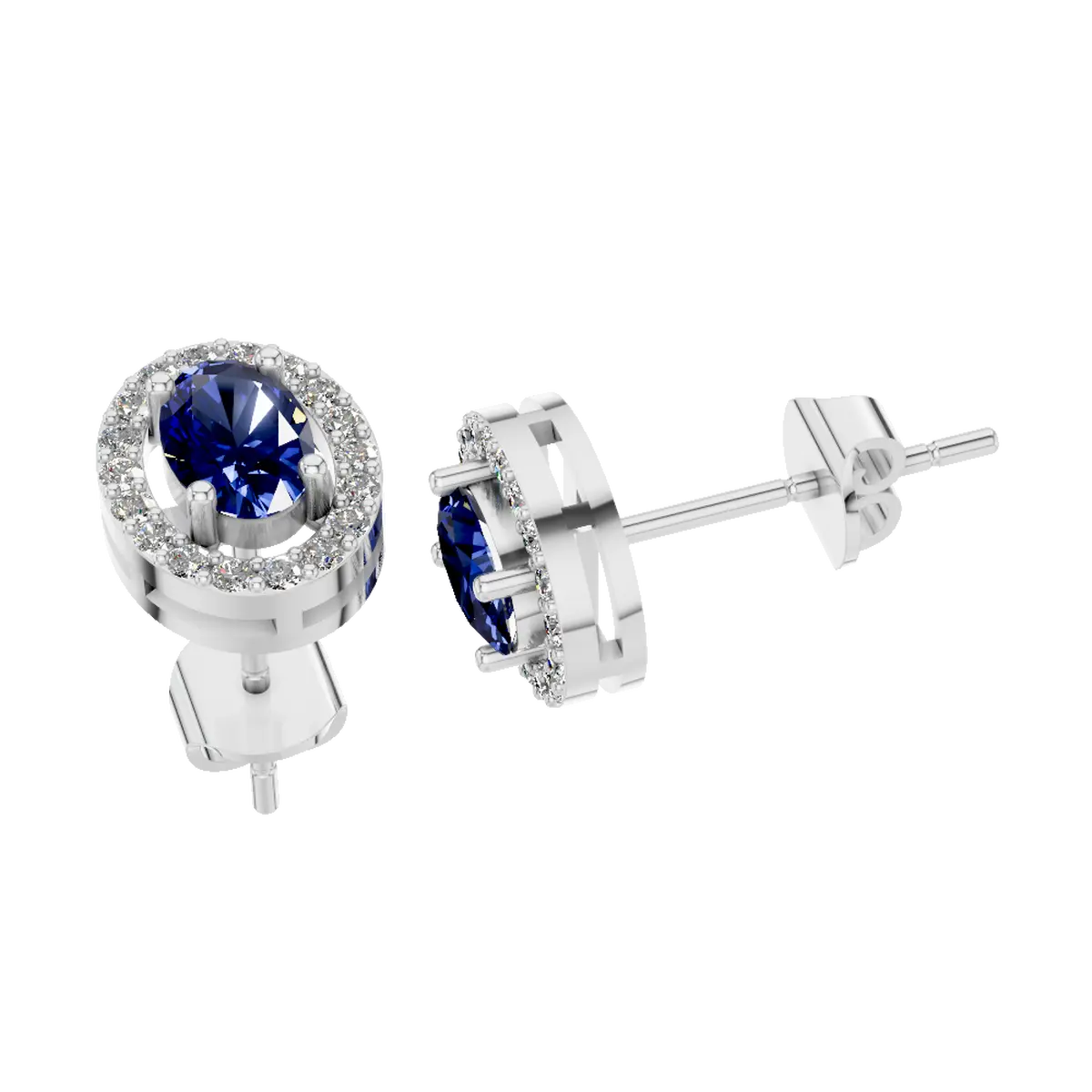
While coming to the USA, the design remains unchanged, but the intention of getting a beautiful look is the same. Here, wearing a birthstone in earrings becomes a blessed choice, and with the silver or platinum metal, the look is truly adorable.
Talking about the famous style of earrings, you have multiple choices: hoop earrings, drop earrings, and halo designs that add extra sparkle.
Bracelets and Bangles
Bracelets bring subtle sophistication to a jewelry collection. Tennis bracelets, with their continuous line of diamonds, are particularly admired for their elegance.
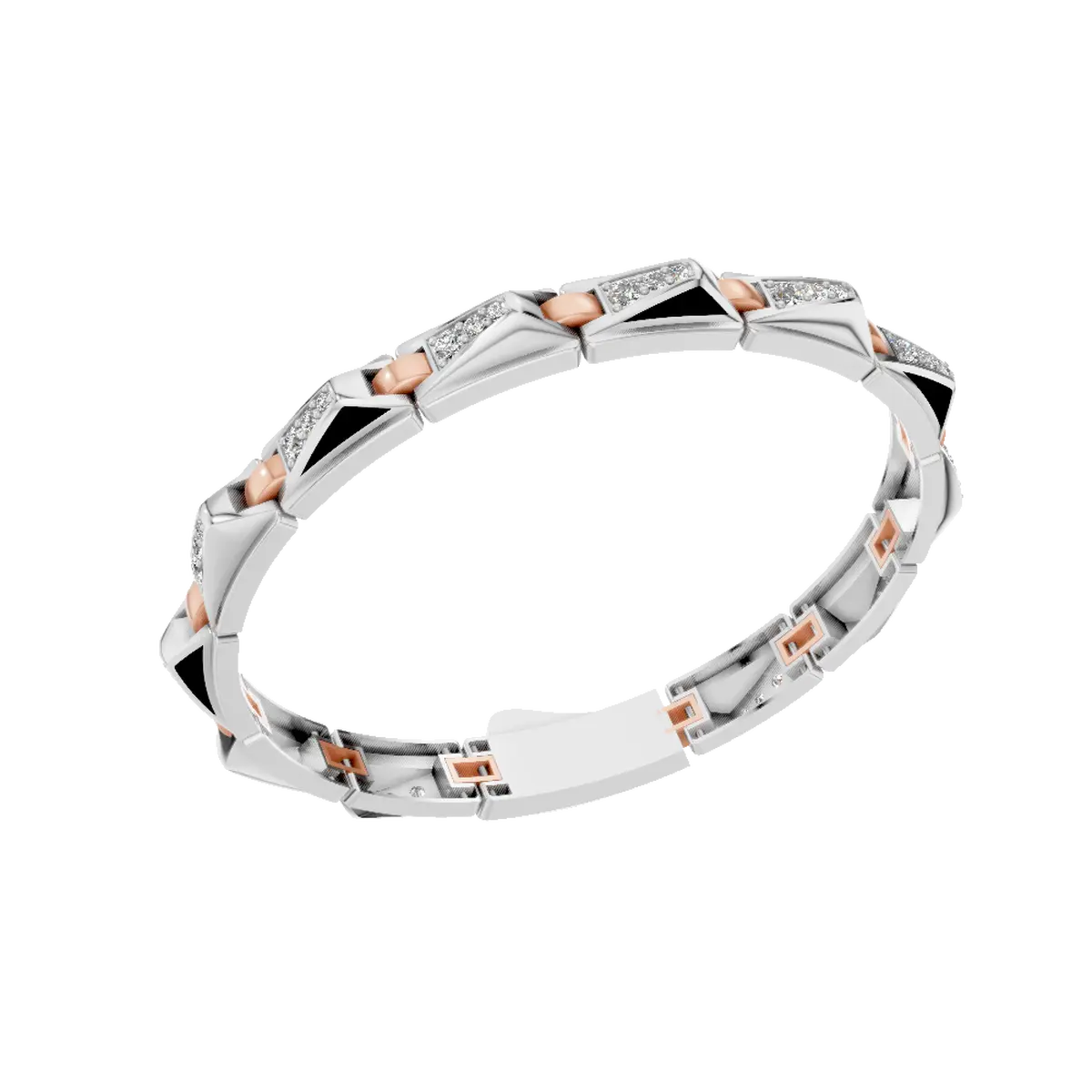
Bangles and chain bracelets are also popular, especially when layered together for a more modern look. Choose accordingly what you want.
Why Fine Jewelry Is Often Seen as an Investment
While jewelry is primarily worn for beauty and self-expression, fine jewelry also carries financial and sentimental value.
Precious Metals Hold Value
Gold and platinum are traded globally as valuable commodities. Even when crafted into jewelry, these metals retain intrinsic worth. This is why gold jewelry has long been considered a form of financial security in many cultures.
Gemstones Add Rarity
High-quality diamonds and gemstones are rare, and their value is influenced by factors such as clarity, color, and cut. Certain stones, especially those with exceptional quality, can increase in value over time.
Jewelry Becomes an Heirloom
Beyond financial considerations, fine jewelry carries emotional significance. A ring or necklace given during an important life event can become a treasured family heirloom. Many families pass down jewelry through generations, giving the piece both historical and sentimental importance.
How to Choose the Right Fine Jewelry
Buying fine jewelry should feel exciting rather than overwhelming. Keeping a few key factors in mind can help you choose a piece that truly fits your needs.
Understand Metal Quality
Always check the purity markings on jewelry. These stamps confirm the metal used in the piece. For example:
- 14K or 18K indicates gold purity
- PT950 indicates platinum
- 925 represents sterling silver
These markings help verify authenticity.
Evaluate the Gemstone
When selecting diamond jewelry, jewelers often refer to the four Cs: cut, color, clarity, and carat weight. These characteristics influence how a diamond looks and how much it costs. Even small differences in these factors can significantly affect the overall appearance of the stone.
Pay Attention to Craftsmanship
Quality jewelry shows attention to detail. Gemstones should sit securely within their settings, and the metal should feel smooth and well-finished.
A well-crafted piece not only looks better but also lasts longer.
Choose Jewelry That Fits Your Lifestyle
Some pieces are designed for everyday wear, while others are meant for special occasions. If you want jewelry that can be worn frequently, simple and durable designs often work best.
For milestone celebrations, more elaborate pieces may feel appropriate.
Modern Fine Jewelry Trends to Know
Fine jewelry is evolving with changing tastes and values.
Laboratory-Created Diamond Jewelry
Laboratory-created diamonds have become increasingly popular among buyers who want the beauty of diamonds while exploring more sustainable options.
These stones offer the same brilliance and durability as natural diamonds, making them a practical choice for engagement rings and other important jewelry pieces.
Minimalist Jewelry
Minimalist designs have gained popularity in recent years. Thin gold chains, delicate rings, and small diamond studs offer understated elegance that works with both casual and formal styles.
Sustainable Luxury
Many consumers now consider ethical sourcing and sustainability when purchasing jewelry. As a result, alternatives such as laboratory-grown diamonds and moissanite have become part of the modern fine jewelry options.
Find Modern Fine Jewelry at Platizem
Fine jewelry today combines tradition with innovation. Classic craftsmanship remains essential, but modern buyers also appreciate new materials and contemporary design.
At Platizem, collections reflect this balance by offering carefully crafted jewelry pieces that highlight brilliance, durability, and timeless style.
From lab-grown diamond jewelry and moissanite wedding bands to elegant diamond earrings and pendants, each piece is designed to capture the essence of modern fine jewelry.
Whether you are choosing your first meaningful piece or expanding an existing collection, fine jewelry remains one of the most enduring expressions of personal style and celebration.

89/A/B1 sy.no.:0432 Opposite Zenitex Mill, Vastadevdi Road, Katargam, Surat-395004