 Contact Us
 Appointment

Book An Appointment
Get in touch with our jewellery experts for virtual consultation
Engagement Rings Costs in India: What You Need to Know Before Purchase
 Share on Facebook
 Share on LinkedIn
 Share on watsapp
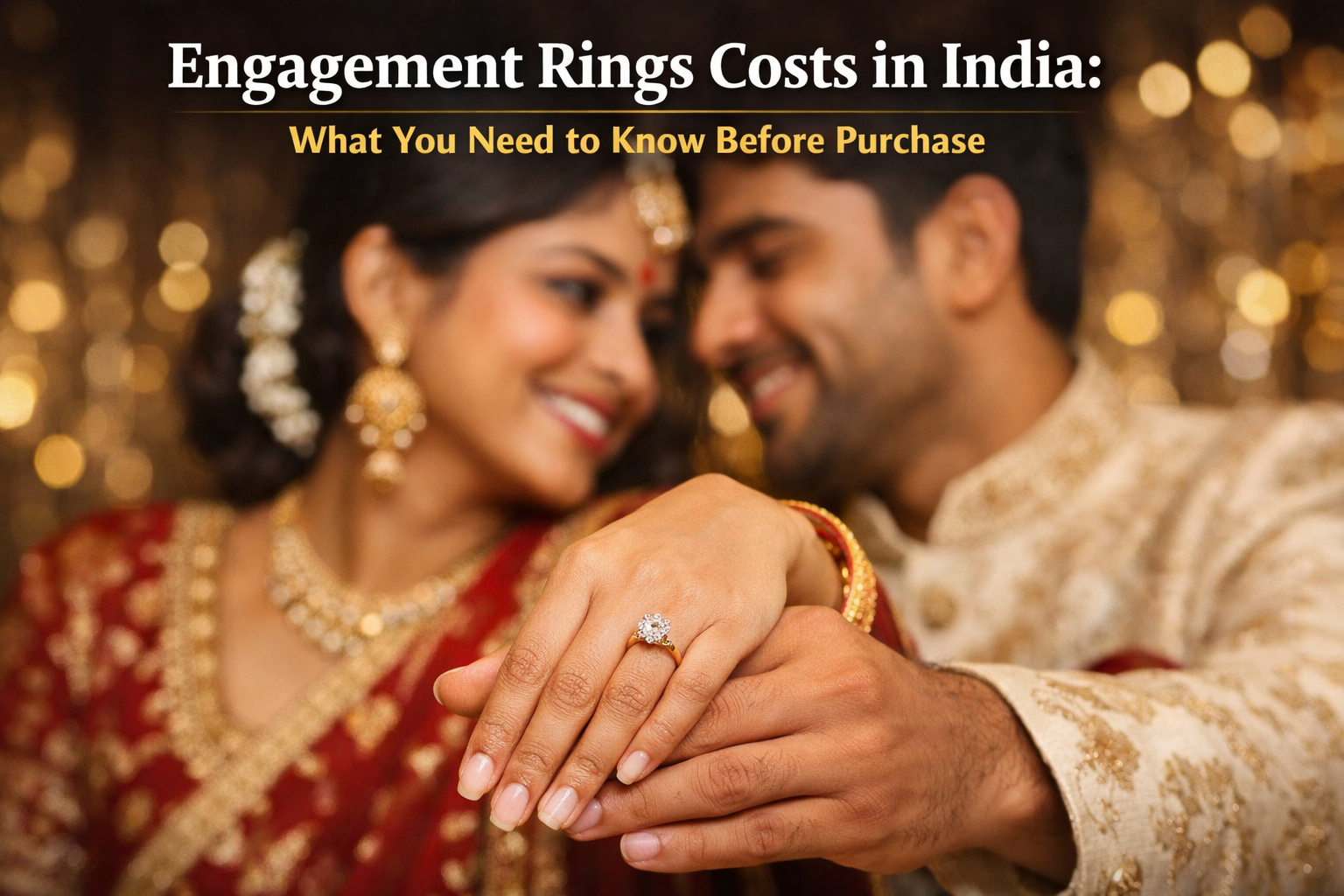
Back in 2015, in India, buying an engagement ring was very different from walking into a jewellery store and picking a gold ring with a small tone. But now in 2026, everything has changed. Couples are now comparing options, researching online, and asking sharper questions: about price, value, and whether they’re actually getting what they’re paying for.
The confusion usually starts with cost. Why does one ring cost ?30,000 while another crosses ?2 lakh? Is it just the diamond, or are there other factors involved? And with newer choices like lab-grown diamonds and moissanite, the decision has become even more layered.
This guide explains what really drives the price, where people overspend, and how to choose a ring that fits both your budget and expectations.
How Much Does an Engagement Ring Cost in India?
If you’re trying to set a budget, the first thing to understand is this: there is no single “standard” price for an engagement ring in India. The cost varies widely based on the stone, metal, design, and even where you buy it from.
That said, most buyers fall into a few practical price brackets:
What’s important here is not just the range, but what that money actually buys you.
For example, a ?60,000 budget could get you:
A small natural diamond ring
A larger laboratory-grown diamond ring
Or a visually bigger moissanite solitaire
Every option has a different look, holds value differently, and serves a unique purpose. Here, most buyers are confused. They compare prices without comparing what they’re actually receiving.
Another key point: in India, engagement ring spending is rarely driven by fixed rules (like the “salary rule” you might see online). Buyers are far more practical. They look at overall wedding expenses, daily usability, and long-term value before deciding how much to spend.
So instead of asking “What should an engagement ring cost?”, the better question is:
“What is the smartest way to spend my budget on an engagement ring in India?”
That’s exactly what the next sections will help you figure out.
What Actually Determines the Cost of an Engagement Ring?
Once you start exploring options, you’ll notice something quickly: two rings that look almost identical can have a huge price difference. Thinking of a design factor to differentiate it? No. It’s a combination of multiple factors, and understanding them is where most buyers gain clarity (and avoid overpaying).
1. Stone Type: Where the Biggest Price Difference Comes From
The choice of stone alone can shift your budget.
Natural Diamond: If you’re ready to pay the highest price, driven by rarity and long-term perception, then go with this option.
Lab-Grown Diamond: Don’t need to spend heavy price tags, but get the same look as a mined diamond and composition.
Moissanite: Get a visually striking and far more budget-friendly choice for the engagement ring.
No Stone (Gold Rings): This is the lowest cost option and has the highest resale reliability.
This is why comparing rings purely on price leads to the wrong decision. The real comparison should be price vs visual size vs long-term value.
2. Carat Weight: Why Size Gets Expensive Quickly
Carat weight directly impacts price, but not in a linear way.
Moving from 0.3 to 0.5 carats is considered a moderate increase.
Moving from 0.5 to 1 carat will be a sharp price jump.
Do you know what many buyers don’t realize? A visual size and actual carat weight don’t always feel proportionate. A well-cut, smaller stone can look more impressive than a poorly cut, larger one.
Moissanite and lab-grown diamonds stand out here, as they allow buyers to achieve a bigger visual presence within the same budget.
3. Gold Purity: 18K vs 22K (Practical Reality)
In India, Gold jewellery has a unique place in every buyer’s choice. They prefer to buy it before diamond jewellery. In traditional jewellery, 22K gold is famous, but engagement rings typically use 18K gold.
18K Gold is a stronger, better choice for holding stones securely.
22K Gold is softer, more prone to bending in stone settings.
This difference affects both durability and cost. Many buyers initially prefer 22K but eventually shift to 18K once they understand the practicality.
4. Making Charges: The Hidden Cost Most Buyers Miss
This is one of the least discussed, most impactful cost components yet.
Simple designs in engagement rings bring lower making charges.
Intricate designs (halo, custom, multi-stone) are considered with the higher charges.
Typically, making charges range from 8% to 25% of the gold value.
Two rings with the same gold weight (18KT) and stone (2-carat lab-grown diamond) can still differ in price because of design complexity. This is why minimal designs are a better value, not just aesthetically, but financially.
5. Certification & Quality Standards
If you’re buying a diamond (natural, lab-grown, or moissanite), certification matters.
IGI and GIA certifications ensure authenticity and grading. SGL also has an option.
Certified diamonds cost more, but offer transparency and trust.
Uncertified stones may look cheaper upfront, but carry a higher risk of counterfeit jewellery.
6. Brand vs Independent Jeweller Pricing
Branding plays a bigger role than most people expect.
Large jewellery brands may offer higher pricing due to marketing and retail overhead for the standard quality.
Independent or direct-to-consumer sellers often offer better value for the same specifications.
This doesn’t mean brands are wrong. It just means you’re paying for experience and brand trust, not just the product.
The Real Insight Most Buyers Miss
The cost of an engagement ring isn’t defined by a single factor. It’s the combination of stone, size, metal, design, and seller markup.
That’s why two buyers spending the same ?80,000 can walk away with completely different rings—one prioritising brand and diamond, the other choosing size and visual impact.
Understanding this is what turns a purchase into a smart decision, rather than an expensive guess.
Diamond Engagement Ring Cost in India
Diamonds are still the first choice for many buyers—but this is also where most of the confusion (and overspending) happens. Prices vary so widely that without a breakdown, it’s difficult to know whether you’re paying a fair amount or simply following what the seller suggests.
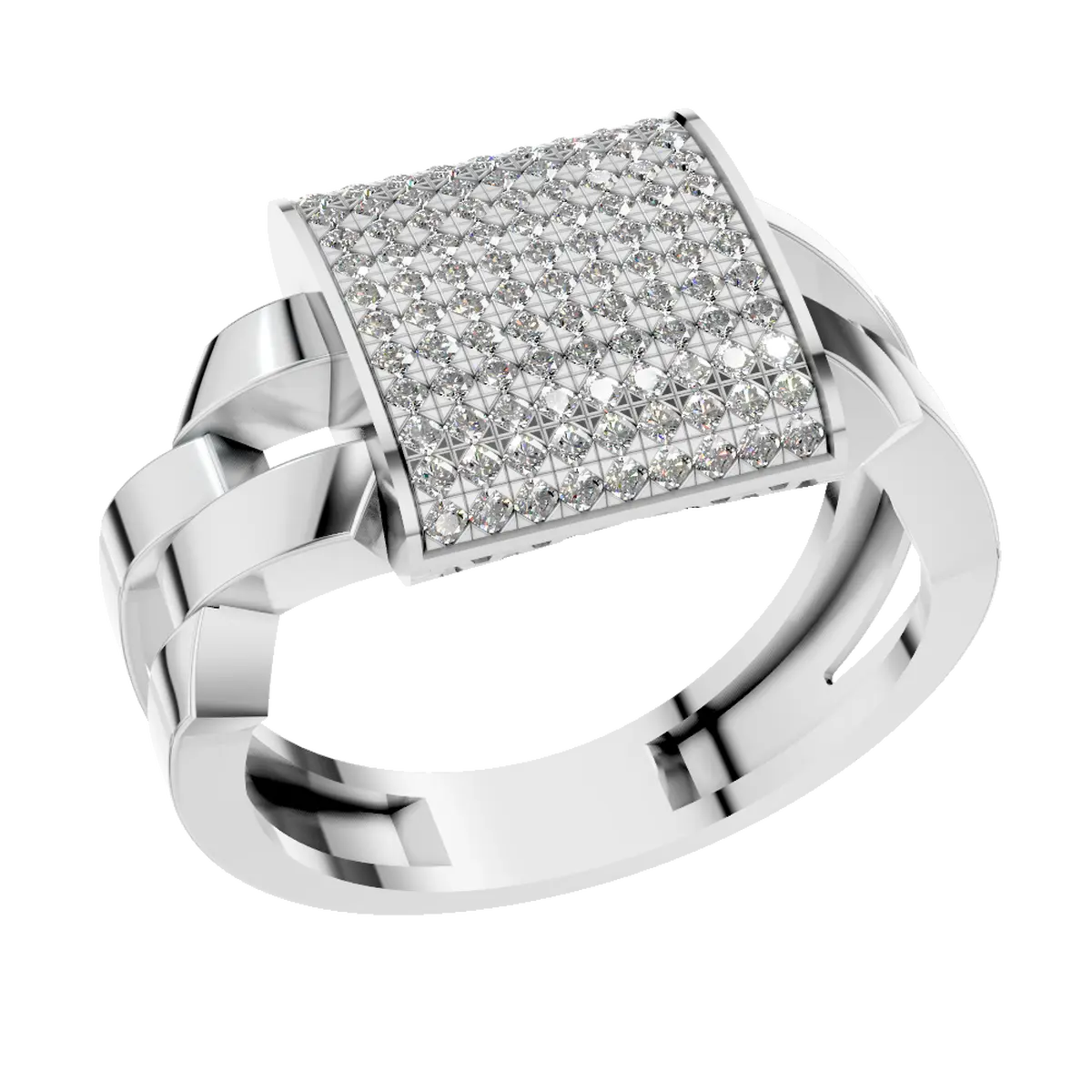
Let’s simplify it.
Typical Diamond Price Ranges in India
These prices depend heavily on the 4Cs: cut, colour, clarity, and carat. But among these, cut quality has the biggest impact on how the diamond actually looks.
What a Diamond Ring Actually Costs
Thinking that only the diamond price is the final amount of the ring. But in reality, you’re paying for more than just the stone.
Here’s a practical example of a mid-range purchase:
This is where many buyers underestimate the total spend. A ring that looks like “?60,000” quickly becomes closer to ?90,000 once everything is included.
Why Diamond Prices Vary So Much
Two diamonds with the same carat weight can have very different prices. Here’s why:
Cut quality: A well-cut diamond reflects more light and looks more brilliant.
Clarity: The clarity grade with fewer inclusions increases value.
Color grade: Whiter diamonds cost more than those with a yellowish color.
Certification: IGI or GIA certification adds credibility (and cost).
Among these, experienced buyers often prioritise cut over everything else, because it directly affects how the ring looks in real life—not just on paper.
Common Mistake: Overpaying for Carat Weight
A lot of buyers focus on hitting a “1 carat” milestone. But this often leads to compromises in cut or clarity, which actually reduces the overall appearance.
A better approach:
Choose a slightly smaller diamond with better cut
Or compare with lab-grown or moissanite options for better visual size
Is a Diamond Engagement Ring Worth It in India?
The answer depends on what you value:
If you want traditional prestige and resale perception, then natural diamonds still hold a strong position.
If you care more about visual appeal within a budget, diamond alternatives may offer better value.
Diamonds carry emotional and cultural weight, but they are also the most expensive route to achieve a certain look.
What Smart Buyers Do Differently
Instead of asking, “How big a diamond can I afford?”, informed buyers ask:
How will this look on the hand?
Am I paying for brand or actual quality?
Is there a better alternative for the same budget?
That shift in thinking is what separates a satisfying purchase from a regretful one.
Lab-Grown Diamond Rings: Same Look, Smarter Pricing?
Lab-grown diamonds have moved from being a niche option to a mainstream choice in India, especially among younger couples who are more research-driven and value-conscious.
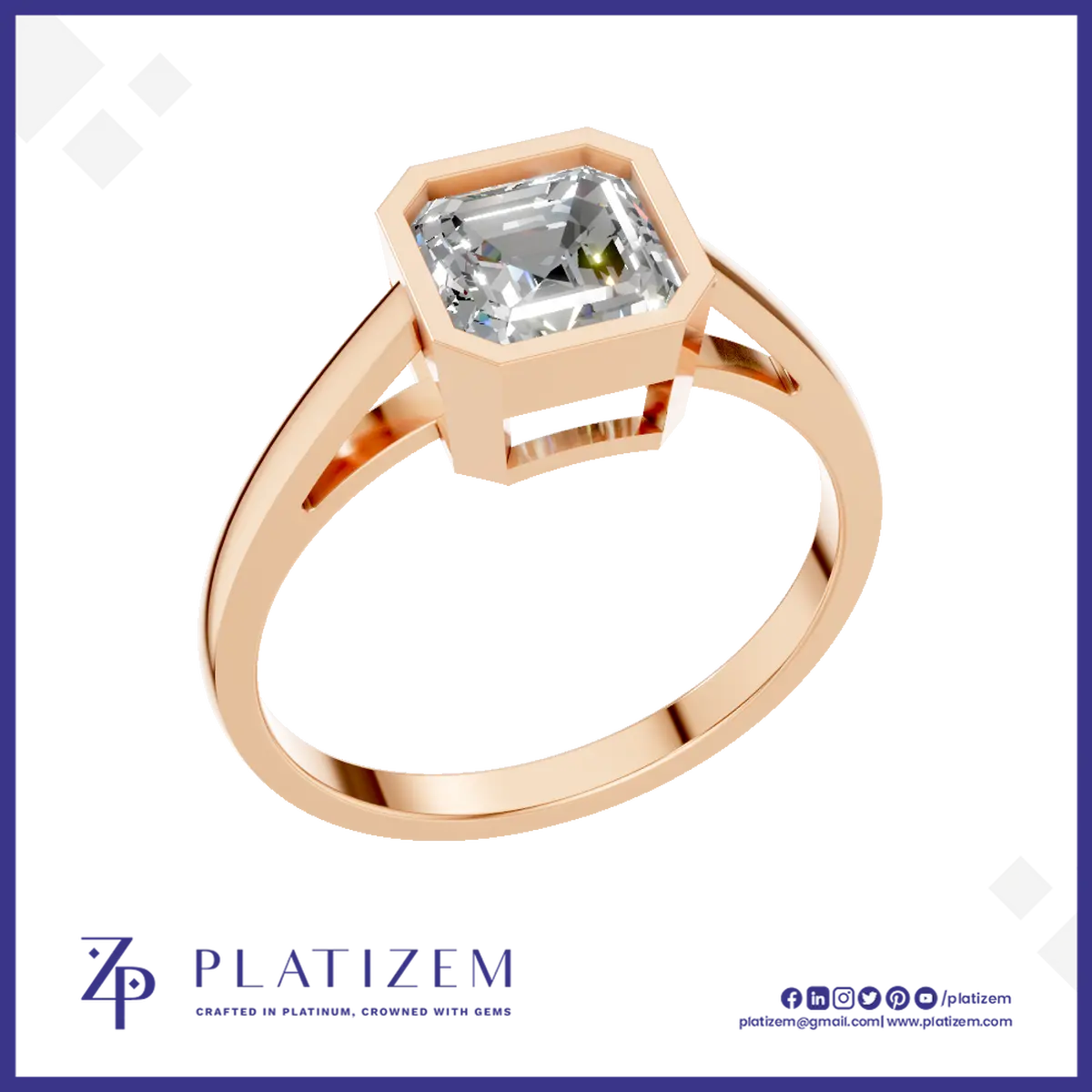
At first glance, they raise a simple question: If they look exactly like natural diamonds, why are they cheaper?
What Are You Actually Buying?
These diamonds are not imitations. They have:
The same chemical composition
The same physical properties
The same visual appearance as natural diamonds
Even under a microscope, the differences are technical—not something visible to the naked eye.
Lab-Grown Diamond Ring Cost in India
When compared to natural diamonds, the price is typically 30–60% lower for a similar size and quality.
Why Are They More Affordable?
The lower cost comes from controlled production, not lower quality.
No mining or rarity factor
Faster supply chain
Lower market-driven pricing
In simple terms, you’re paying for the actual product, not the scarcity behind it.
Pros of Lab-Grown Diamond Engagement Rings
A bigger stone within the same budget
Same visual appeal as natural diamonds
Increasing acceptance in urban markets
More transparent pricing
For buyers who want a “diamond ring” without stretching finances, this option makes immediate sense.
Cons You Should Know
Lower resale value compared to natural diamonds
Still perceived differently in traditional settings
Price depreciation over time as supply increases
This doesn’t affect how the ring looks—but it does matter if you’re thinking from an investment perspective.
Who Should Consider Lab-Grown Diamonds?
Lab-grown diamonds are ideal if:
You want a premium-looking engagement ring without overspending.
You’re comparing value rather than tradition.
You prefer a larger stone over brand prestige.
They work particularly well for couples who are making joint decisions rather than following conventional expectations.
The Shift in Buyer Thinking
Earlier, diamonds were bought based on what was “expected.”
Now, buyers are asking:
What am I paying for?
Does this justify the cost?
Is there a smarter alternative?
Laboratory-grown diamonds are growing because they answer those questions more directly than traditional options.
Moissanite Engagement Rings: The Most Value-for-Money Option?
If you’re exploring engagement ring costs seriously, moissanite is hard to ignore. Yet, it’s still one of the least understood choices in India. Most buyers either haven’t heard of it properly or assume it’s just another “diamond substitute.” In reality, it solves a very specific problem: getting a premium look without paying diamond-level prices.

What is Moissanite, Really?
Moissanite is a lab-created gemstone known for its exceptional brilliance and fire. In simple terms, it reflects light more intensely than a diamond, which is why it often appears more sparkly in everyday lighting.
Visually, most people cannot tell the difference unless they are specifically trained or comparing both stones side by side.
Moissanite Ring Cost in India
For the same budget as a small diamond, you can get a much larger and more noticeable moissanite stone.
Why Moissanite Stands Out
The biggest advantage is straightforward: visual impact per rupee spent.
Larger appearance at a lower cost
Strong brilliance that stands out even in low light
Durable enough for everyday wear
For buyers who care about how the ring looks on the hand, moissanite often delivers more satisfaction than smaller diamonds within the same budget.
Moissanite vs Diamond: Practical Differences
This comparison is where most buyers get clarity. It’s not about which is “better”—it’s about what matters more to you.
Common Concern: “Will It Look Fake?”
This is the biggest hesitation.
In reality:
Moissanite does not look fake. It looks different under certain lighting.
Its sparkle is slightly more colourful compared to a diamond’s white brilliance.
To most people, especially in everyday settings, it simply looks like a high-quality stone.
Who Should Choose Moissanite?
Moissanite makes sense if:
You have a strict budget but still want a standout ring.
You prefer size and shine over traditional value.
You’re buying your first fine jewellery piece.
It’s particularly popular among buyers who are practical and don’t want to overspend for brand or rarity.
Where Buyers Often Get It Wrong
Some buyers dismiss moissanite too quickly because it’s cheaper. But price alone doesn’t define value.
If your goal is:
A visually impressive ring
Comfortable spending
Everyday usability
Then moissanite is not a compromise—it’s a strategic choice.
The Real Takeaway
Moissanite challenges the idea that you need to spend more to get a better-looking ring. It flips the equation by offering maximum visual return for a controlled budget.
Should You Follow the “2–3 Month Salary Rule”?
The idea that you should spend two to three months’ salary on an engagement ring didn’t originate in India. It was created by Western diamond marketing to standardise spending behaviour. In the Indian context, this approach rarely fits real-life priorities.
Here, buying decisions are more balanced. Engagement rings are just one part of a larger financial picture that includes wedding expenses, jewellery, travel, and future planning. Most couples today prefer practical budgeting over symbolic spending, especially when they are making the decision together.
Instead of following a fixed rule, a better approach is to define a range that feels comfortable and sustainable. Ask yourself: Does this purchase fit within your broader financial goals? Does it offer value for what you’re paying?
A well-chosen ring doesn’t need to stretch your finances. It should reflect your relationship.
Where to Buy Engagement Rings in India
Choosing the right place to buy your engagement ring can directly impact what you pay and what you get. Many buyers today move beyond traditional stores because pricing is often unclear, and options are limited to what’s available in-store. Online-first brands have changed this by offering transparent pricing, wider design choices, and better value comparison.
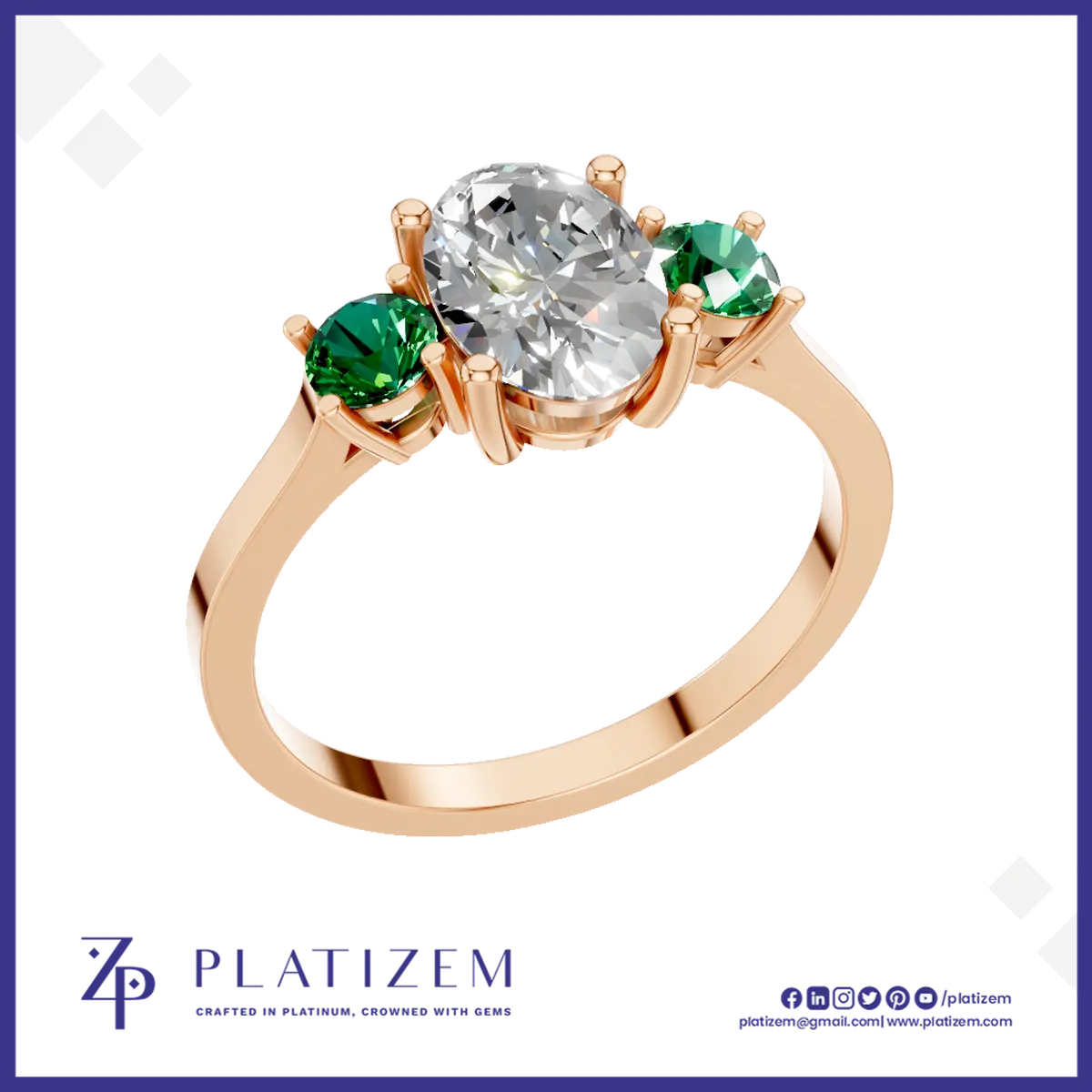
If you’re exploring options that combine modern design with practical pricing, Platizem offers a focused selection tailored for today’s buyers. You can browse our collections here:
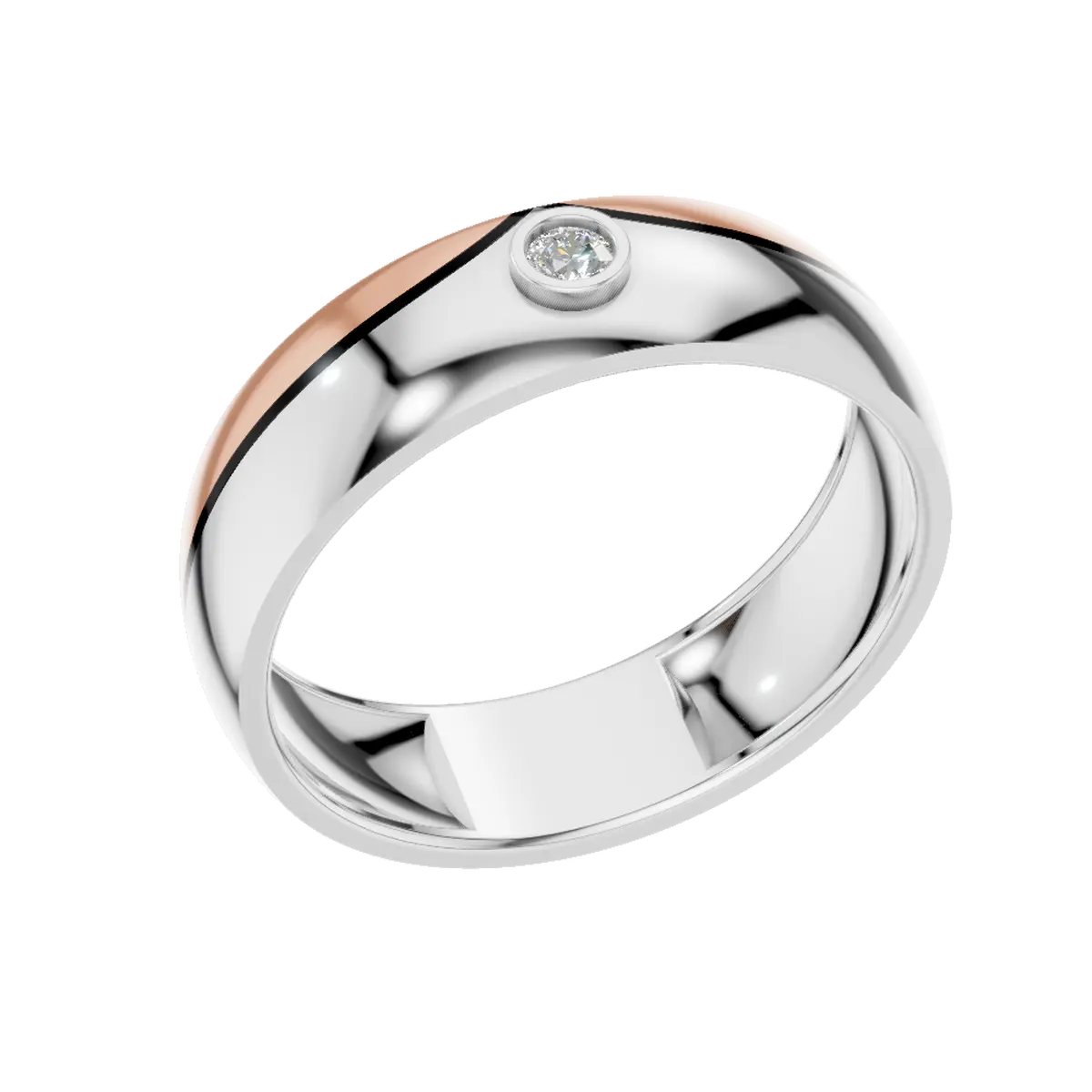
What stands out is the variety across price points—whether you’re considering a minimal ring, a statement solitaire, or a detailed halo design. Platizem allows you to evaluate styles, compare budgets, and understand exactly what you’re paying for, making the final decision far more informed.
Do you need a custom ring for your fiancé or fiancée? We designed it for you in laboratory-grown diamonds and moissanite according to the ring style.

89/A/B1 sy.no.:0432 Opposite Zenitex Mill, Vastadevdi Road, Katargam, Surat-395004