 Contact Us
 Appointment

Book An Appointment
Get in touch with our jewellery experts for virtual consultation
7 Latest Trends of Men’s Jewellery in India: Make Your Personality Elite
.webp)
 Share on Facebook
 Share on LinkedIn
 Share on watsapp
There was a time when men's Jewellery in India meant one thing: a ring given by family, worn without much thought. It wasn't about style. It was about tradition.
Today, it shows up in daily life, in meetings, at dinners, and even in how you present yourself online. And slowly, men are realising that jewellery is part of how people read your personality before you even speak.
But here's where most go wrong.
They either avoid jewellery completely or go too far too fast: thick chains, oversized rings, bracelets that look impressive in the box but uncomfortable in real life. The result? It doesn't feel like them.
This is where modern trends matter as a direction. Today's gold chain, silver ring, or even diamond earrings are built to fit into your lifestyle: clean, wearable, and intentional.
And with the rise of laboratory-grown diamond and moissanite jewellery, stepping into this space has become far more accessible. You don't have to wait for a big occasion. You don't have to overthink value. You just have to choose pieces that feel right for you.
This blog is not about telling you to wear more. It's about helping you wear better. Because when jewellery aligns with your personality, it quietly elevates your look.
Trend #1. Rings That Actually Suit You (Not Just What Looks Good Online)
A ring can be the first choice if you're unsure where to begin. It's the easiest way to get what you want without changing your entire look.

In India, the interest in gold and silver ring designs with modernity rises every day. But the thing is, most buyers still make decisions based on appearance alone, what looks good in a photo, not what works on their hands.
That's where things go wrong.
How to Choose the Right Ring (Practical Approach)
1. Match the ring to your daily life
If you work on a laptop all day or use your hands frequently, bulky designs will start feeling uncomfortable within hours. A flat or slightly curved band works better for daily wear.
2. Choose the right metal tone
Go for men's silver ring styles if your wardrobe leans towards neutral or cool tones.
Pick gold ring designs if you wear warmer shades or traditional outfits often.
3. Keep the design controlled
A clean gents' ring design with a solitaire one focal element, like a single lab-grown diamond or moissanite, creates more impact than overly detailed patterns.
What Most Men Get Wrong
Buying oversized rings, thinking bigger equals better. This is not correct yet.
Choosing flashy designs that don't match their lifestyle.
Wearing multiple rings without understanding balance.
What Works in Real Life
A single-statement ring for daily wear
A slightly bolder ring reserved for occasions
Lab-grown diamond or moissanite-like diamond alternatives for a sharp, refined finish without looking excessive
A ring should feel like it belongs to you. If you're constantly adjusting it or noticing it too much, it's not the right one.
Start simple. Wear it consistently. That's how it becomes part of your identity, not just an accessory.
Trend #2. Bracelets That Don't Try Too Hard (But Still Get Noticed)
Bracelets are where most Indian men hesitate to buy. Not because they don't like them. But because they're unsure how it will look in real life.
The concern is valid.
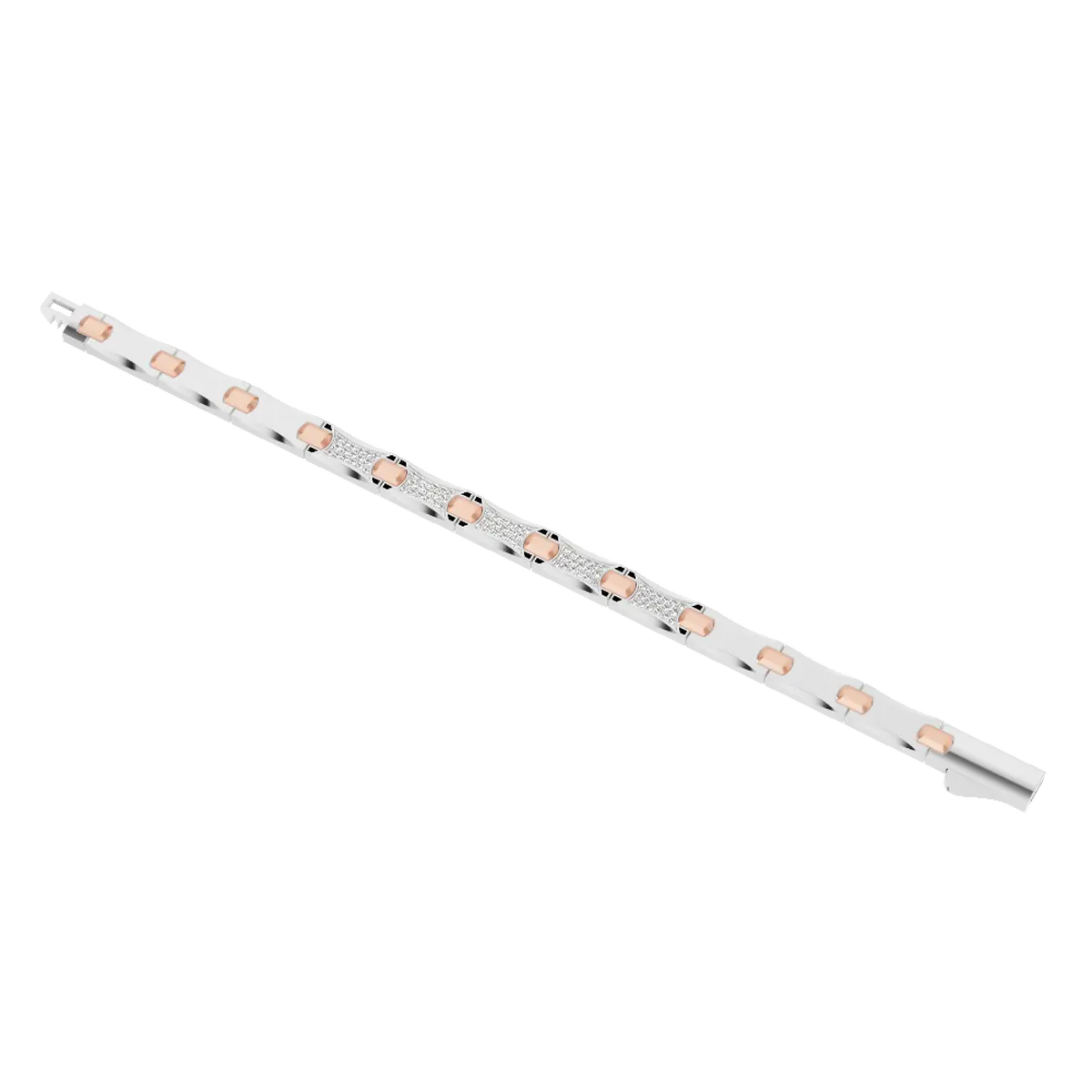
A bracelet of jewellery is always visible. It moves with your hand, catches attention during conversations, and sits right next to your watch. If it's not chosen well, it feels distracting. If it is, it becomes part of your natural presence.
That's why the current shift in men's bracelets in India is moving towards simplicity over statement.
What does that mean?
Instead of getting a 5-carat diamond bracelet, now it looks sufficient in a 1-TCW with a gold or silver metal.
What�s Actually Trending Right Now
Instead of thick, rigid designs, men are choosing:
Slim chain bracelets that sit close to the wrist.
Modern kada-style bracelets with a cleaner finish in platinum.
Bracelets with small lab-grown diamond or moissanite detailing for a refined edge.
You'll notice this especially in metro cities, Mumbai, Bangalore, Hyderabad, Kolkata, Ahmedabad, and Delhi, where styling is becoming more understated and practical.
How to Choose a Bracelet You'll Actually Wear
1. Start with comfort, not design
If it feels heavy or loose in the first 10 minutes, you won't wear it regularly. Look for a snug but not tight fit. Usually, 7-10 inches will look prominent on the wrist.
2. Think about your watch
Your bracelet will sit next to it. If both are competing for attention, the look breaks. A minimal bracelet works best with most watches. Prefer a gold and diamond combination.
3. Keep it versatile
A good bracelet should work with:
Office shirts
Casual t-shirts
Occasional ethnic wear
That's where moissanite-studded designs are becoming popular. They add a premium touch without limiting usage.
What to Avoid (Common Mistakes)
Do not wear chunky bracelets for daily use.
Stacking multiple bracelets without balance.
Choosing designs that only work for weddings or parties
Most men buy bracelets they like, not ones they'll actually wear. That's why they end up sitting in a drawer.
What Works in Reality
One well-fitted bracelet. Clean design. Worn consistently.
It doesn't need to stand out. It just needs to feel right every time you wear the bracelet.
Because the goal isn't to show jewellery, it's to make it look like it belongs to you.
Trend #3. Gold & Silver Chains Are Moving Towards Clean, Wearable Luxury
Not long ago, chains for men in India followed a predictable pattern: thicker meant better, heavier meant premium. That mindset is fading.
Today, the trend in men's gold and silver chains is shifting in a completely different direction. Men are no longer choosing chains to show status. They're choosing them to fit into their lifestyle.
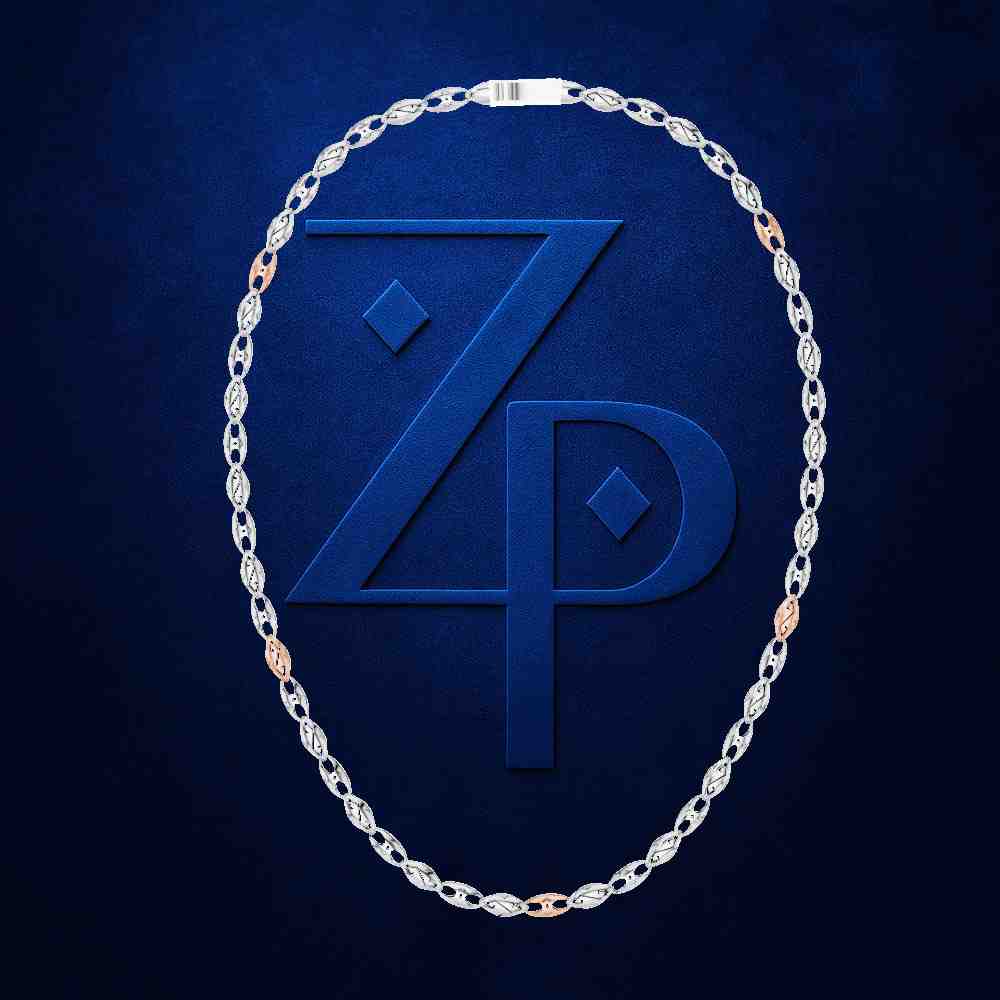
And that's where the real change is happening.
From Heavy to Intentional: The New Chain Trend
The modern buyer is moving away from bulky, attention-grabbing chains. Instead, there's a clear preference for:
Medium-weight chains that feel comfortable all day.
Designs that sit naturally under a shirt or over a t-shirt.
Pieces that don't look out of place in professional settings.
Wearing chains on special occasions is not common now. Now, it has been worn as daily fine jewellery.
Chains are no longer reserved for occasions. They are becoming part of daily wear. There are two choices as follows.
Silver Chains Are Leading Everyday Styling
One of the strongest shifts right now is towards silver chain styles for men.
They're being preferred because:
They match modern wardrobes. There are neutral-toned suits to minimal outfits.
They feel less formal and easier to wear regularly.
They don't attract unnecessary attention, yet still elevate the look.
For many men, silver chains have become the first step into jewellery.
Gold Chains Are Becoming More Refined
At the same time, the gold chain for men is not disappearing. It's evolving.
Instead of thick, traditional styles, the trend is moving towards:
Sleeker designs with a smoother finish, with 14KT or 18KT metal variation.
Chains that work beyond weddings and festivals.
It can be worn with both ethnic and Indo-Western outfits.
Gold is no longer just for occasions. It's becoming more adaptable.
Subtle Detailing Is Replacing Loud Designs
Another noticeable shift is in design detailing.
Rather than plain or overly decorative chains, men are choosing:
Chains with small laboratory-grown diamond accents.
Moissanite elements are integrated into the design.
Finishes that add depth without making the chain look flashy.
This adds a premium feel. But only when someone looks closely.
Chains Are Now Styled, Not Just Worn
The biggest change is how men are wearing it.
A single chain with a clean neckline.
Occasionally layered with a minimal pendant.
Paired with rings or bracelets for a balanced look.
There's more thought behind it now. Less random, more intentional.
What This Trend Really Means
Men in India are buying chains just because they �should.� They're choosing chains that they can wear often, comfortably, and confidently.
And that's the difference.
A chain is no longer a statement piece. It's becoming a part of your everyday identity.
Trend #4. Diamond Earrings for Men Are No Longer Bold. They're Normal.
A few years ago, wearing earrings as a man in India came with hesitation. It felt like a style reserved for celebrities or a specific crowd.
That hesitation is disappearing.
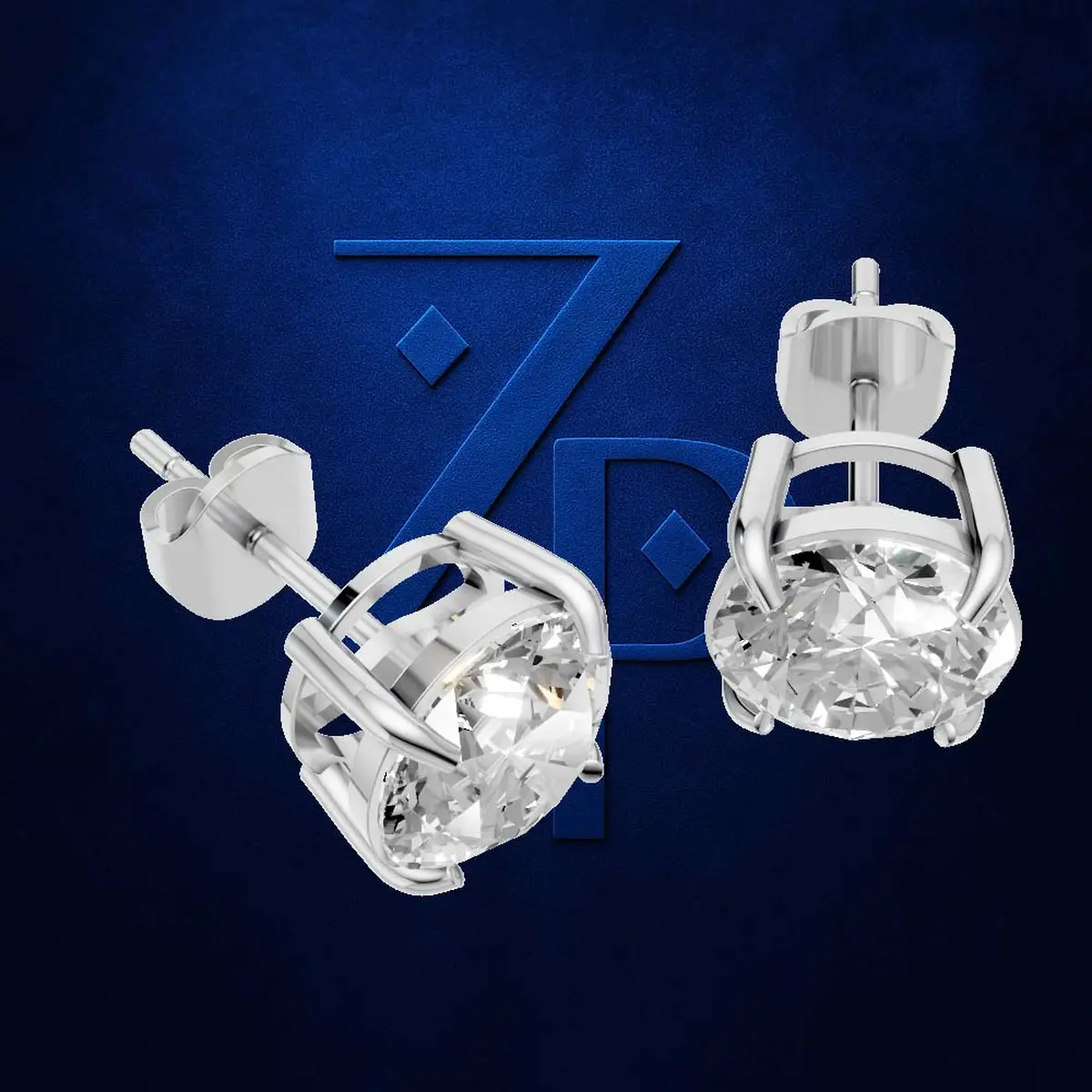
Today, diamond men's earrings are steadily rising, not just in metro cities, but across tier-2 audiences as well. What was once considered experimental is now becoming part of everyday style.
The Shift: From Statement to Subtle
The biggest change isn't that more men are wearing earrings. It's how they're wearing them.
Instead of bold, attention-seeking designs, the trend is clearly moving towards:
Small, clean studs
Single-ear styling instead of both ears
Pieces that blend into the overall look rather than dominate it
Earrings are worn to stand out and complete the look.
Why Younger Indian Men Are Adopting This Trend Faster
This shift is being driven by a new mindset.
Exposure to global fashion through Instagram and OTT platforms.
Less concern about traditional judgments.
Preference for personal style over social approval.
For many, a single earring in diamonds with gold is now as normal as wearing a watch.
Lab-Grown Diamond & Moissanite Are Defining the Trend
What's interesting is the material choice.
Men are not going for oversized or overly flashy stones. Instead, they're choosing:
Laboratory-created diamond studs for a sharp, clean finish.
Moissanite earrings for brightness with controlled size.
Designs that look premium but still feel wearable daily.
The focus is on precision, not exaggeration.
Styling Direction: Keep It Effortless
This trend works best when it doesn't feel planned.
One stud paired with a chain or ring
Balanced with neutral or structured outfits
No over-accessorising around the face
If everything else is minimal, the earring naturally fits in.
What This Trend Tells You
Men are becoming more comfortable experimenting. But with control.
They're not trying to follow fashion. They're choosing pieces that quietly improve how they look.
And that's why diamond men's earrings are becoming a natural extension of modern style in India.
Trend #5. Cufflinks Are Quietly Becoming a Power Move Again
There was a phase when cufflinks almost disappeared from men's wardrobes. Shirts became more casual, dressing down became normal, and details like cufflinks felt unnecessary.
That phase is reversing.
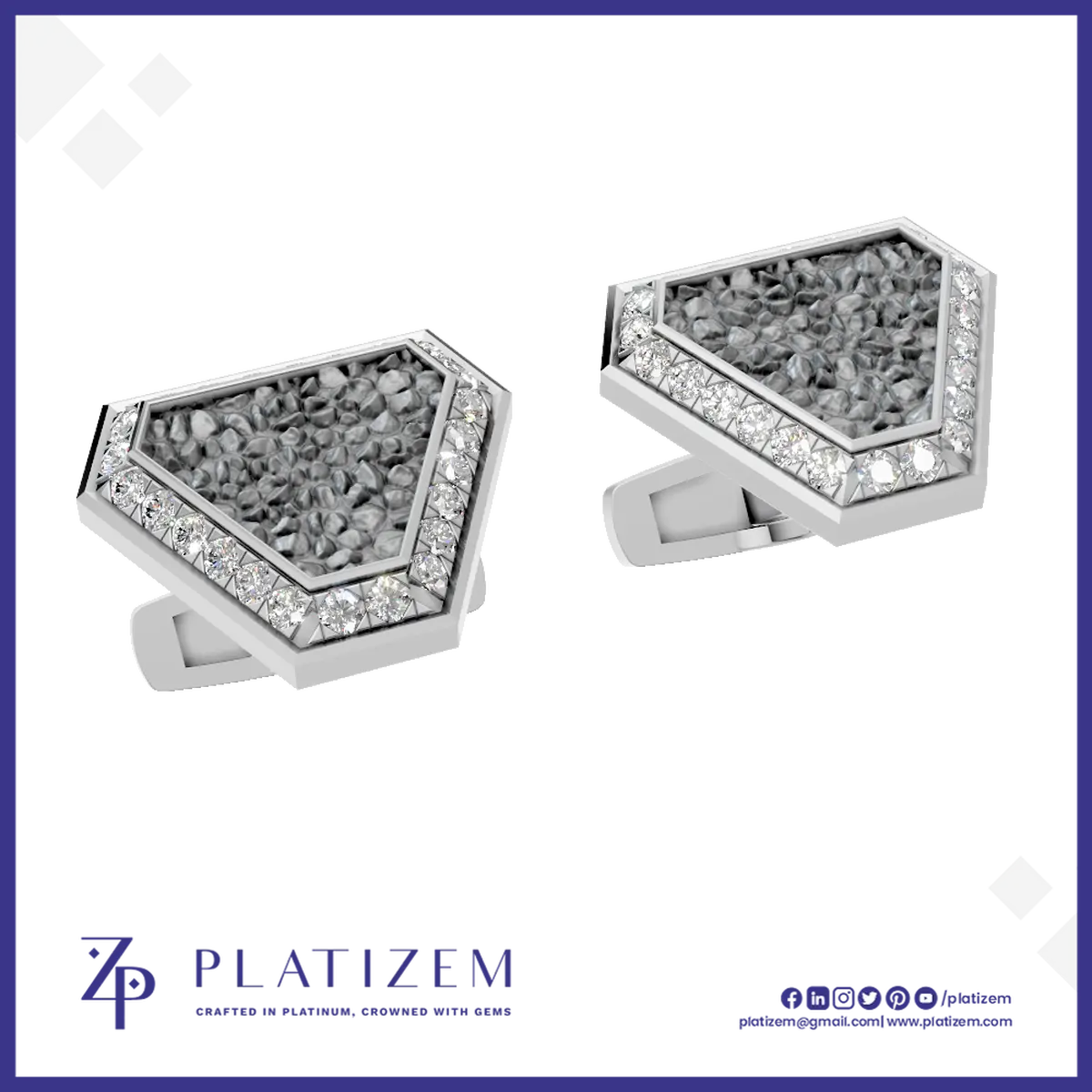
The silver cufflinks are picked by men and come in a certain kind of design, like French, Montblanc, and initial. Usually, professionals and forms are starting to pay attention to how they present themselves in formal settings.
But the comeback is not loud. It's controlled.
The Shift: From Occasion Wear to Intentional Dressing
Earlier, cufflinks were worn only at weddings or black-tie events. Now, they're being used more strategically:
Important meetings
Formal events
Wedding functions where styling matters
They are bringing a combination of tradition and precision in dressing.
Important meetings
Formal events
Wedding functions where styling matters
Why Silver Cufflinks Are Leading the Trend
While gold still has its place, silver cufflinks are dominating current preferences.
The reason is simple:
They pair easily with most shirt colours.
They feel modern, not overly traditional.
They complement watches and other accessories without clashing.
Silver has become the safer, more versatile choice for Indian men building a formal wardrobe.
They pair easily with most shirt colours.
They feel modern, not overly traditional.
They complement watches and other accessories without clashing.
Design Direction: Clean Over Complicated
The biggest mistake men used to make was choosing overly decorative cufflinks.
That's changing.
The current trend focuses on:
Minimal shapes (round, square, bar styles)
Smooth finishes in gold and platinum metal instead of textured surfaces
Subtle laboratory-grown diamond detailing for a refined edge
The idea is to draw attention towards a reward.
Minimal shapes (round, square, bar styles)
Smooth finishes in gold and platinum metal instead of textured surfaces
Subtle laboratory-grown diamond detailing for a refined edge
What This Trend Says About Modern Styling
Men are moving beyond basic dressing.
They're starting to focus on the finishing touches, the elements that aren't obvious at first glance but define the overall impression.
Cufflinks represent that shift.
They're not worn to be seen immediately. They're worn to show that you've paid attention when most don't.
Trend #6. Button Jewellery Is Emerging as the Detail That Separates Well-Dressed Men
Most men invest in outfits for weddings and festive events. But overlook the one element that actually completes the look: buttons.
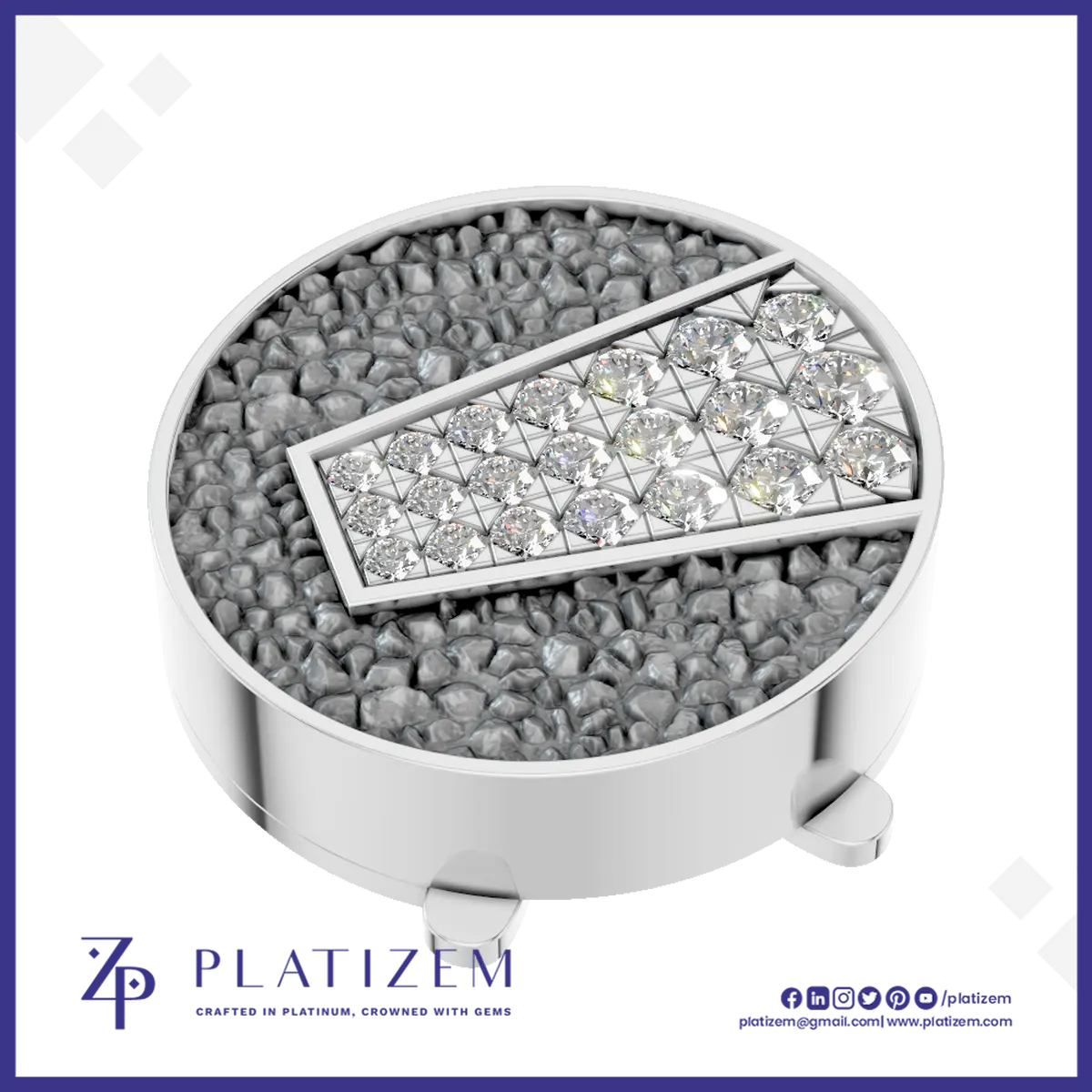
That's exactly why gold button jewellery is rising. Not because it's mainstream yet, but because the men who understand styling are already using it.
And once you notice it, you can't ignore it.
The Shift: From Plain Buttons to Statement Detailing
Traditional outfits like sherwanis and bandhgalas have always had buttons. Now, they were functional, not styled.
Now, that's changing.
The trend is moving towards:
Detachable button sets designed as jewellery.
Coordinated buttons that match rings, chains, or cufflinks.
Jewellery pieces that add depth without overpowering the outfit.
Buttons are background elements and are becoming intentional.
Detachable button sets designed as jewellery.
Coordinated buttons that match rings, chains, or cufflinks.
Jewellery pieces that add depth without overpowering the outfit.
Why This Trend Is Growing in Indian Weddings
Indian weddings have become more style-focused than ever.
Men are no longer just dressed. They're styled.
That's where premium button jewellery for men comes in:
It elevates even a simple outfit.
It creates a more complete, polished appearance.
It adds uniqueness without needing louder accessories.
In a space where everyone is wearing similar outfits, details like this create separation.
Design Direction: Controlled, Not Flashy
The mistake most men make is assuming more shine equals better styling. They opted for a 5-carat laboratory-grown diamond but did not prioritize the design that makes jewellery elegant.
The current trend is the opposite.
Clean gold finishes instead of overly textured designs.
Subtle moissanite or lab-grown diamond accents.
Balanced size visible, but not distracting.
The goal is to enhance the outfit, not compete with it.
Clean gold finishes instead of overly textured designs.
Subtle moissanite or lab-grown diamond accents.
Balanced size visible, but not distracting.
How It Fits With Other Jewellery
Button jewellery works best when it feels connected to the rest of your look.
Pair with a gold ring style for consistency.
Match tones with chains or cufflinks like yellow gold, white gold, or silver.
Avoid mixing too many different finishes.
When everything aligns, the entire outfit feels intentional.
What This Trend Really Means
Indian men are starting to understand something important:
Style isn't built on big pieces alone. It's built on how well every small element comes together.
Button Jewellery is that element. It's not the first thing people notice. But it's often the reason your look feels more complete than others.
Visit Button Jewellery Collection
Trend #7. Pendant Styling Is Becoming More Personal Than Decorative
For a long time, pendants for men in India followed a predictable path. It comes with religious symbols, heavy motifs, or designs chosen more out of habit than intent.
That's changing fast.

Today, pendant jewellery is less about what's expected and more about what feels personal. And that shift is clearly visible in how men are pairing them with gold and silver chain styles.
The Shift: From Generic to Meaningful
Modern pendant trends are moving away from standard designs. Instead, men are choosing:
Initial-based pendants
Minimal geometric shapes
Symbols that carry personal meaning
The design is becoming simpler. But the intent behind it is getting stronger.
Why Pendants Are Gaining Popularity Again
Chains alone can sometimes feel incomplete. A gold pendant adds just enough detail to make the look feel finished.
That's why more men are now:
Adding pendants to their everyday chains
Using them as a subtle identity marker
Keeping the design minimal for daily wear
It's not about making a statement. It's about adding character.
Laboratory-Grown Diamond & Moissanite Are Refining the Look
Instead of large, flashy stones, the trend is moving towards:
Small laboratory-grown diamond accents within the pendant.
Moissanite detailing that enhances shape without overpowering it.
Clean finishes that maintain wearability.
This creates a pendant that feels premium. But it is still practical.
Styling Direction: Keep It Balanced
Men's pendants work best when they don't compete with the chain.
Small to medium size for everyday wear.
Clean shapes that don't clash with your outfit.
Worn under or slightly over the shirt, depending on the look.
If the pendant becomes the only thing people notice, it's probably too large.
What This Trend Signals
Men are no longer wearing Jewellery just to follow tradition.
They're choosing pieces that:
Reflect on who they are
Fit into their daily routine
Feel natural over time
And that's exactly why pendants are coming back, not as decoration, but as a subtle form of personal expression.

89/A/B1 sy.no.:0432 Opposite Zenitex Mill, Vastadevdi Road, Katargam, Surat-395004